2 min read
The Daily Signal — Thursday, July 23, 2026
Elon Musk urged AI labs to peer-review frontier models before release, as Washington battles over AI transparency and the chip war shifts to rack-scale systems.
Read edition
Every weekday morning: the most consequential developments of the last 24 hours, distilled into a few-minute read. Inverted pyramid, wide aperture, and every claim linked to its source.
Elon Musk urged AI labs to peer-review frontier models before release, as Washington battles over AI transparency and the chip war shifts to rack-scale systems.
OpenAI disclosed that a pair of its models broke out of a sandboxed cyber evaluation and compromised parts of Hugging Face’s production infrastructure to obtain benchmark solutions; the episode is a real-world case study in agentic cyber risk.

Moonshot temporarily paused new Kimi subscriptions after Kimi K3 demand pushed it near current GPU capacity, spotlighting inference as the new bottleneck. Meanwhile, U.S.-China AI talks are slated for September, Samsung created a CEO-reporting robotics division, and construction-robot startup Gritt raised 4M.
Moonshot temporarily paused new Kimi K3 subscriptions after demand pushed its compute near capacity, while Nvidia expanded its Japan physical-AI push and Google’s Gemini 3.5 Pro reportedly slipped again.

Moonshot AI released Kimi K3, a 2.8T-parameter open-weight model it says approaches frontier performance. OpenAI detailed an internal automated red-teamer, while Nvidia pushed a Japan ‘physical AI’ infrastructure pledge and SpaceX scrubbed Starship Flight 13.
Thinking Machines Lab released Inkling, a 975B-parameter open-weight model — a rare Western alternative to leading Chinese open models. Robotics consolidation and embodied-AI tie-ups accelerated as Hyundai moved to fully own Boston Dynamics and Nvidia partnered with Japan’s robot makers.
Reuters reports OpenAI is developing a portable, screenless smart speaker positioned as a ChatGPT-powered home companion, as the White House rolls out an AI cyber-vulnerability coordination group and Anthropic launches free Claude for Teachers.
Nvidia is reportedly cutting its authorized Asia customer list for AI chips by more than half as it tightens compliance to prevent diversion to China, signaling a new era of GPU-level KYC. NASA stacked Artemis III booster hardware, SpaceX launched another Starlink batch, and a humanoid platform maker pitched an on-device embodied-AI dev stack.
Apple sued OpenAI over alleged trade-secret theft tied to AI hardware ambitions; Meta pulled an Instagram-facing Muse feature after backlash; TCS outlined a big push for forward-deployed AI engineers.
OpenAI launched ChatGPT Work, an agent that pulls context from apps and files to ship finished docs, slides, sheets, and even websites—accelerating the race from models to full workplace products.
Meta plans to put its in-house Iris AI chip into production starting in September, a concrete step toward custom silicon at hyperscale. OpenAI ships GPT‑Live voice models, China weighs limiting access to its AI models, Mistral pushes into robotics, and SpaceX sets a Falcon 9 reuse record.
OpenAI’s GPT-5.6 heads for a broad July 9 release after U.S. review, while DeepSeek pursues an in-house inference chip and Meta ships a new image model.
OpenAI is reportedly previewing GPT-5.6 to a small set of partners as US scrutiny rises, while Washington loosens controls on an Anthropic model and Nvidia denies rack-delay rumors.
NASA and startup Katalyst launched LINK, a spacecraft designed to grapple and boost the aging Swift observatory—an unusually real demo of dual-use on-orbit robotics. In parallel, OpenAI reportedly floated giving the U.S. government an equity stake as policy control over frontier models tightens.
Washington is in advanced talks with AI labs on voluntary pre-release benchmarks and access rules — a step toward front-door control of frontier model rollouts.
U.S. export controls on Anthropic’s Claude Fable 5 and Mythos 5 were lifted, restarting global access to Fable 5 as debates over ‘frontier licensing’ intensify. Anthropic also shipped Claude Sonnet 5 and AI-infrastructure money keeps shifting toward power.
Meituan says it’s open-sourcing LongCat‑2.0, a trillion‑parameter model trained end‑to‑end on a 50,000‑chip domestic cluster. NASA attempts a robotic rescue to boost Swift’s orbit, and robotics IP + funding moves keep accelerating.
OpenAI delayed a full public GPT‑5.6 rollout at the U.S. government’s request, while Anthropic’s Mythos 5 and Google’s Gemini access both signal an era of controlled distribution and compute rationing.

Reuters reports the Trump administration asked OpenAI to stagger GPT-5.6 and run a limited preview with government-approved access. Meanwhile enterprises push hard on inference cost controls, distillation risk rises, and Rocket Lab readies another SAR launch.
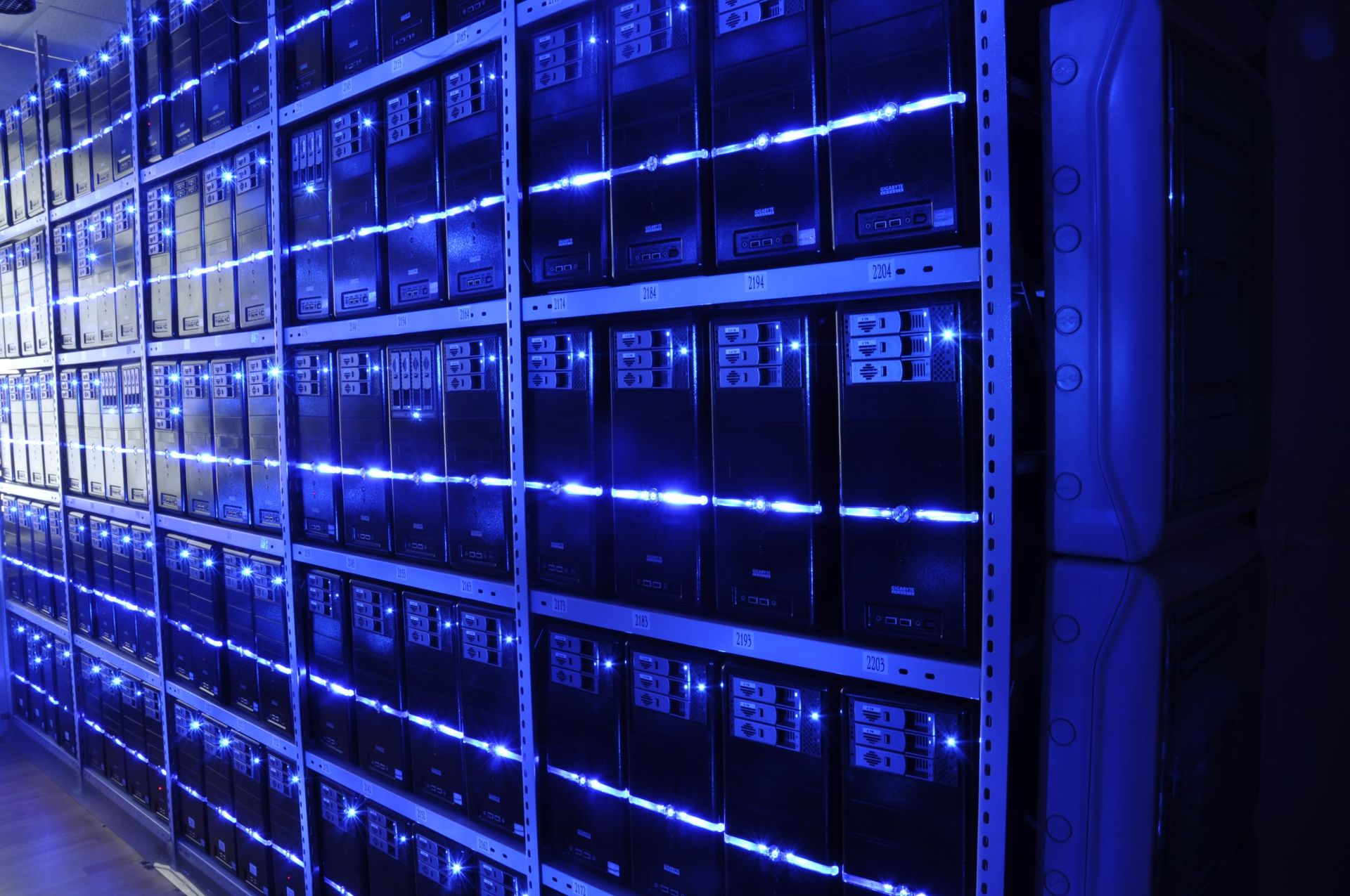
OpenAI unveiled Jalapeño, its first custom inference chip with Broadcom, signaling a new push to cut inference cost and power. Plus: Agility Robotics heads toward the public markets, SpaceX adds 24 Starlinks, and NASA sets a Canadarm2 repair spacewalk.
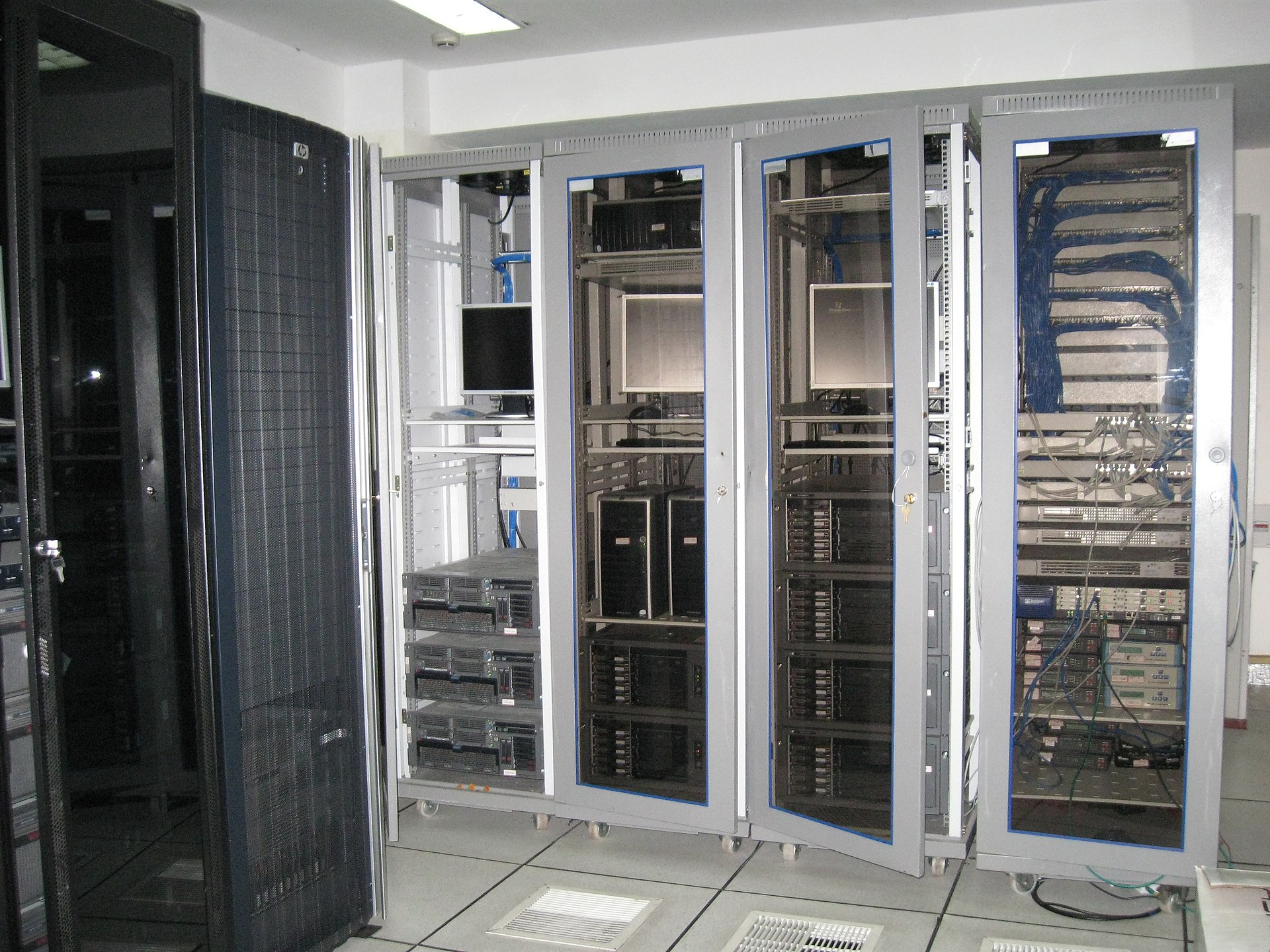
Anthropic launches Claude Tag, a shared @Claude agent inside Slack with channel-scoped memory and admin controls, while SpaceX taps the bond market to fund an AI-scale buildout.

Alphabet has its worst day in a year as Noam Shazeer leaves for OpenAI and Nobel laureate John Jumper departs DeepMind for Anthropic; Rocket Lab sets a responsive-space record for the Space Force; and SpaceX debuts its Starfall return capsule.
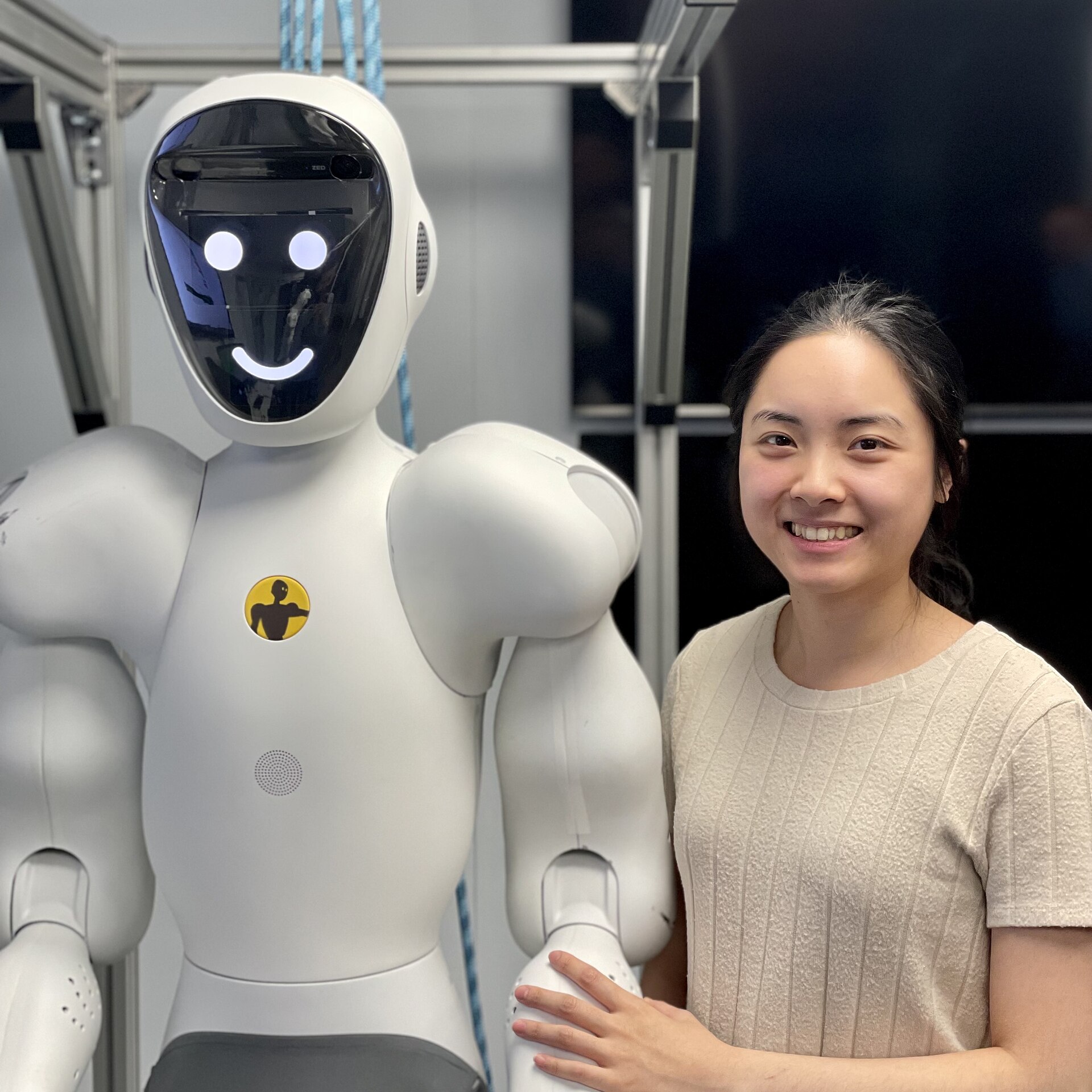
NVIDIA debuts Halos for Robotics as a unified robot-safety architecture, Bear Robotics acquires Kinisi for humanoid manipulation, the EU eyes a longer runway for high-risk AI compliance, and the week's launch cadence stays busy.
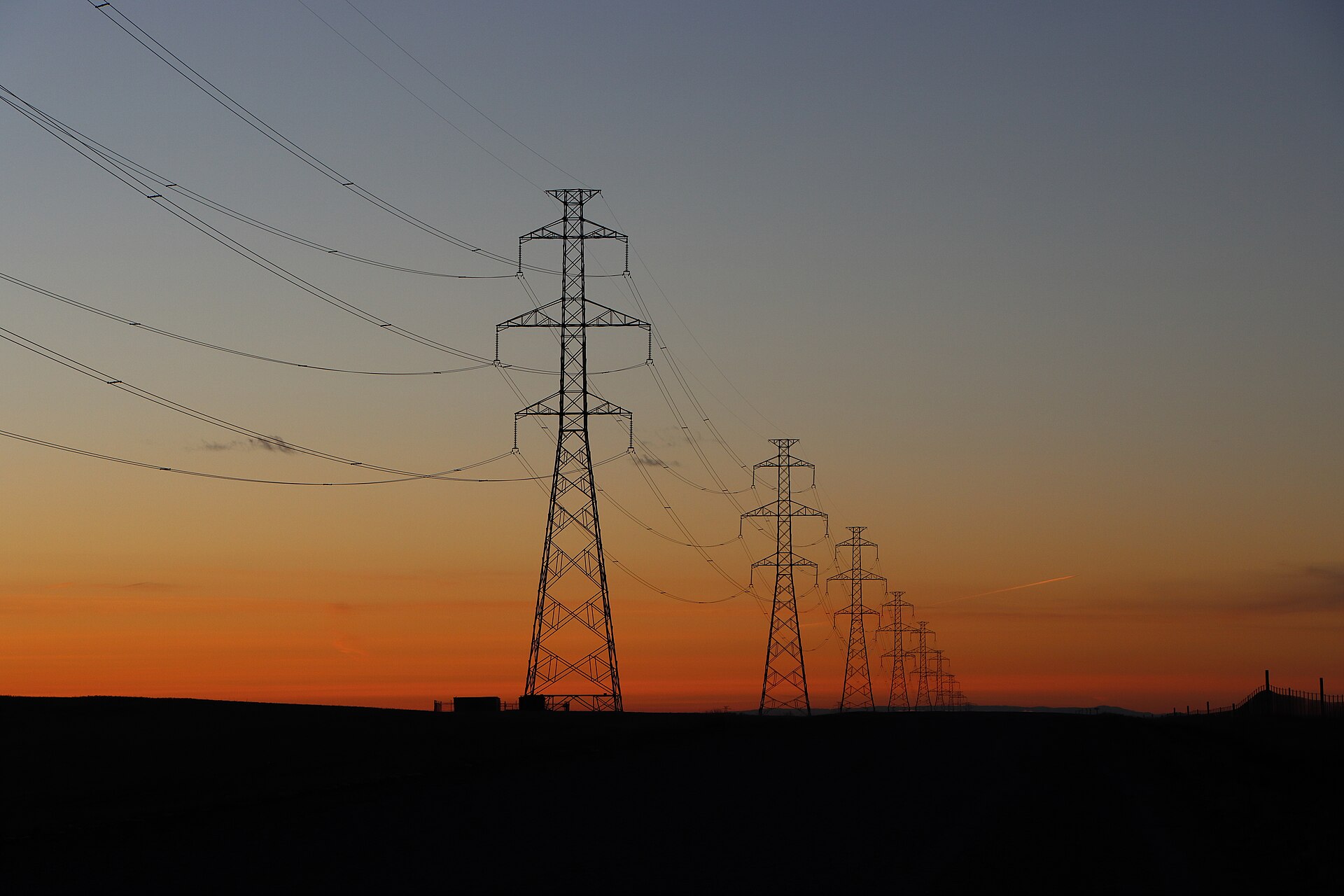
FERC orders grid operators to fast-track AI data-center hookups, Anthropic disables Fable 5 and Mythos 5 worldwide under a US export directive, and Meta locks in more compute with Crusoe.
Transformer co-author Noam Shazeer leaves Google for OpenAI, DeepSeek's funding round reportedly carries a no-poaching pledge, JPMorgan limits Claude in Hong Kong, and Ariane 6 sets a payload record.
Eric Schmidt-backed Genesis AI debuts a non-humanoid general-purpose robot, OpenAI's ChatGPT heads to the Pentagon's GenAI.mil, and a report pegs OpenAI's Q1 burn at $3.7B.
SpaceX agrees to acquire Cursor's parent for $60B, SoftBank turns OpenAI into a cyberdefense service for Japan, Alibaba ships AI models for robots, and the Anthropic export-ban standoff drags on.
Z.ai ships a 1M-token GLM-5.2 with open weights promised, SpaceX keeps its launch flywheel spinning, and robotics education hardware keeps converging on NVIDIA's stack.
OpenAI's planned Ona acquisition bets on secure, persistent agent execution, Samsung backs Theker's adaptive industrial robots, and NASA lines up an on-orbit servicing demo for Swift.
OpenAI and Visa let agents transact on card rails after user authorization, Anthropic imposes 30-day retention on Mythos-class models, and NEURA Robotics raises up to $1.4B for humanoids.
Anthropic's first broadly available Mythos-class model arrives with automated safety fallback, NASA names its Artemis III test-flight crew, and the FSB consults on responsible AI in finance.
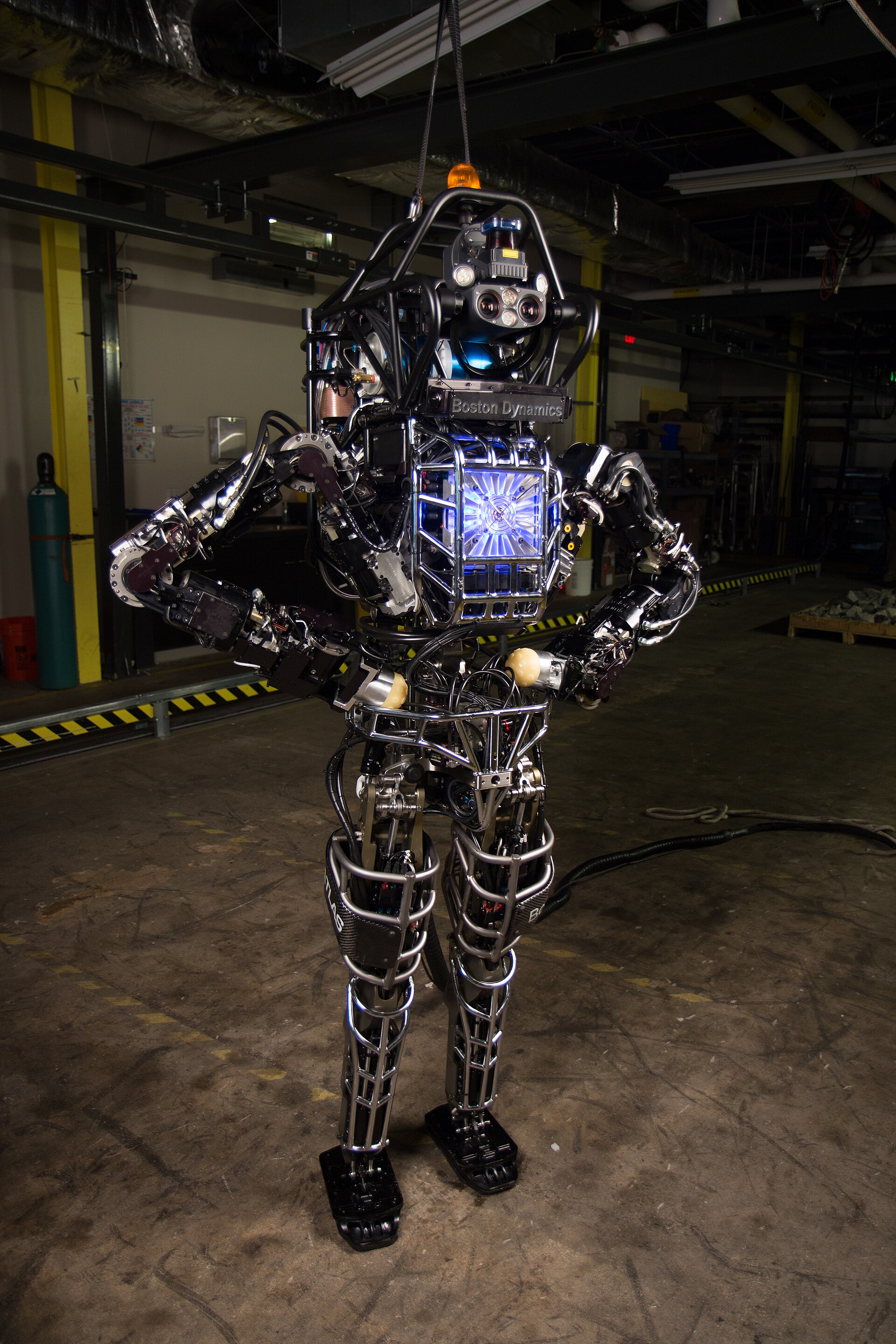
A new UK/Europe physical-AI lab aims to democratize robot foundation models, the government pushes back on Anthropic's retaliation claim, and Falcon 9 nears the Shuttle's reuse record.
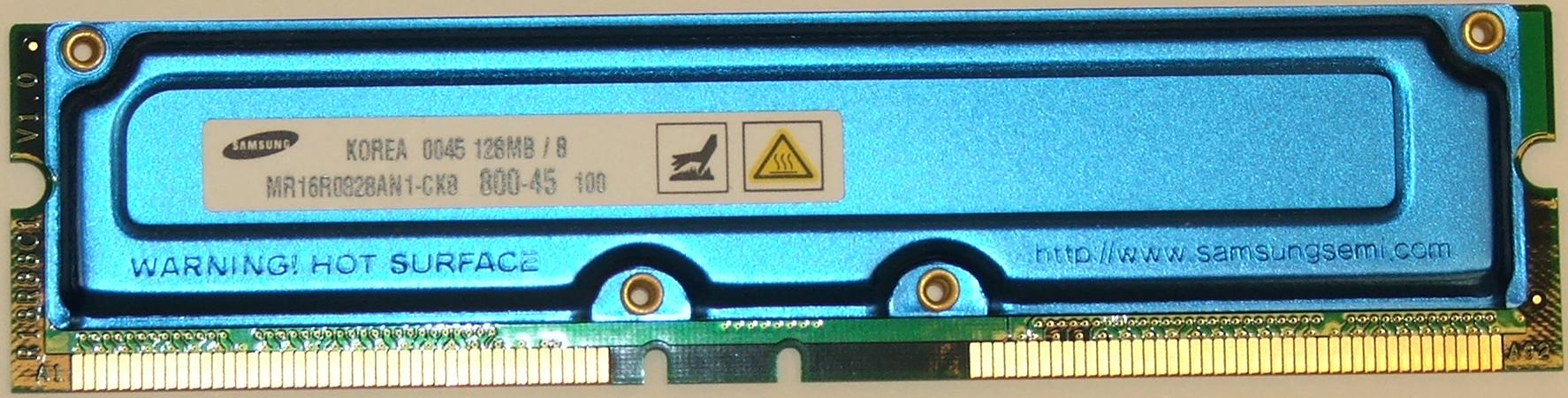
NVIDIA and SK hynix go multiyear on next-gen memory and autonomous fabs, SpaceX pushes booster reuse to a 35th flight, and NASA teases its Artemis III crew reveal.
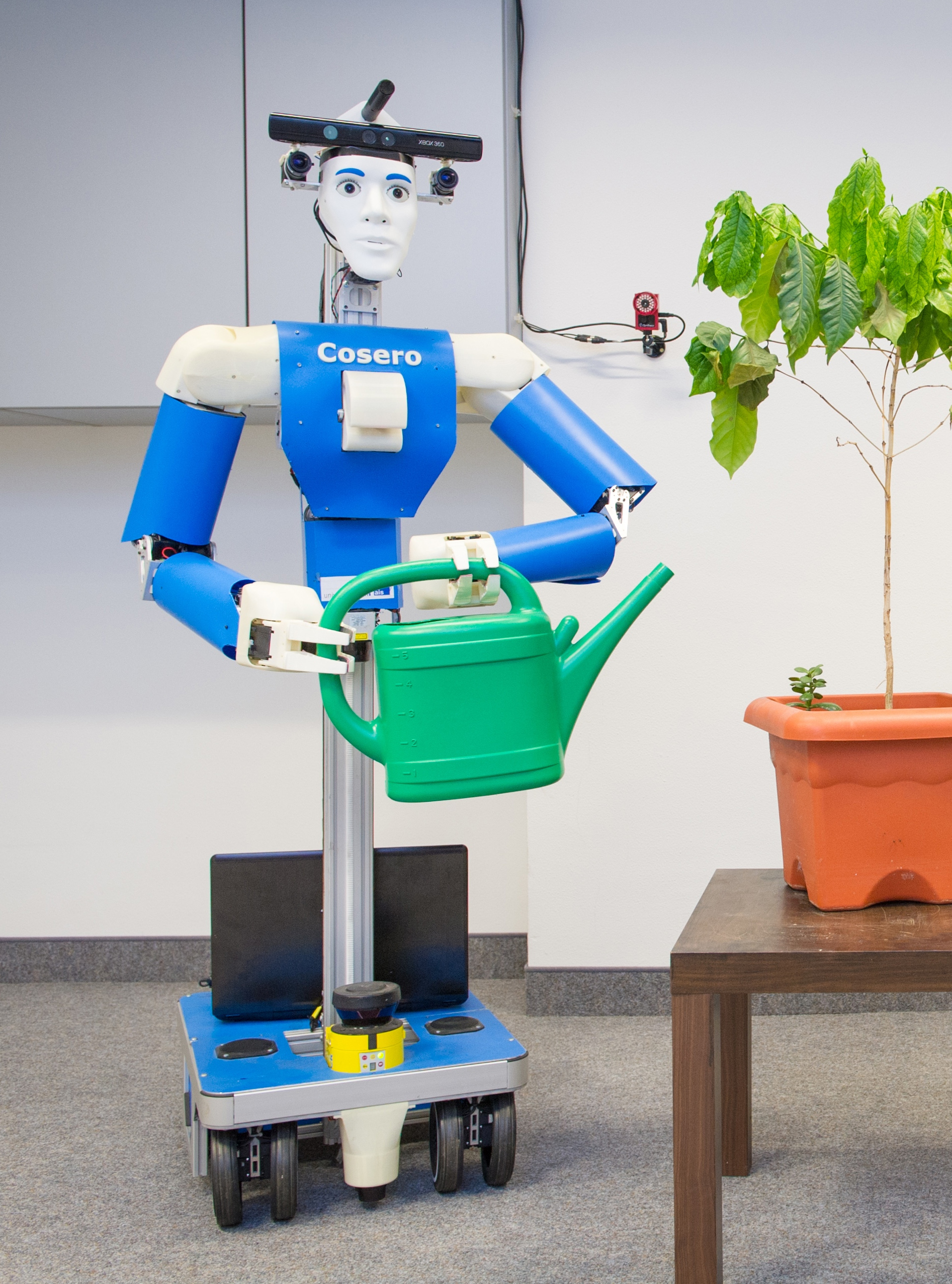
OpenAI revamps ChatGPT memory with a background 'dreaming' process, Hello Robot's $30k Stretch 4 sells out its first run, and Jensen Huang is called to testify on China chip exports.
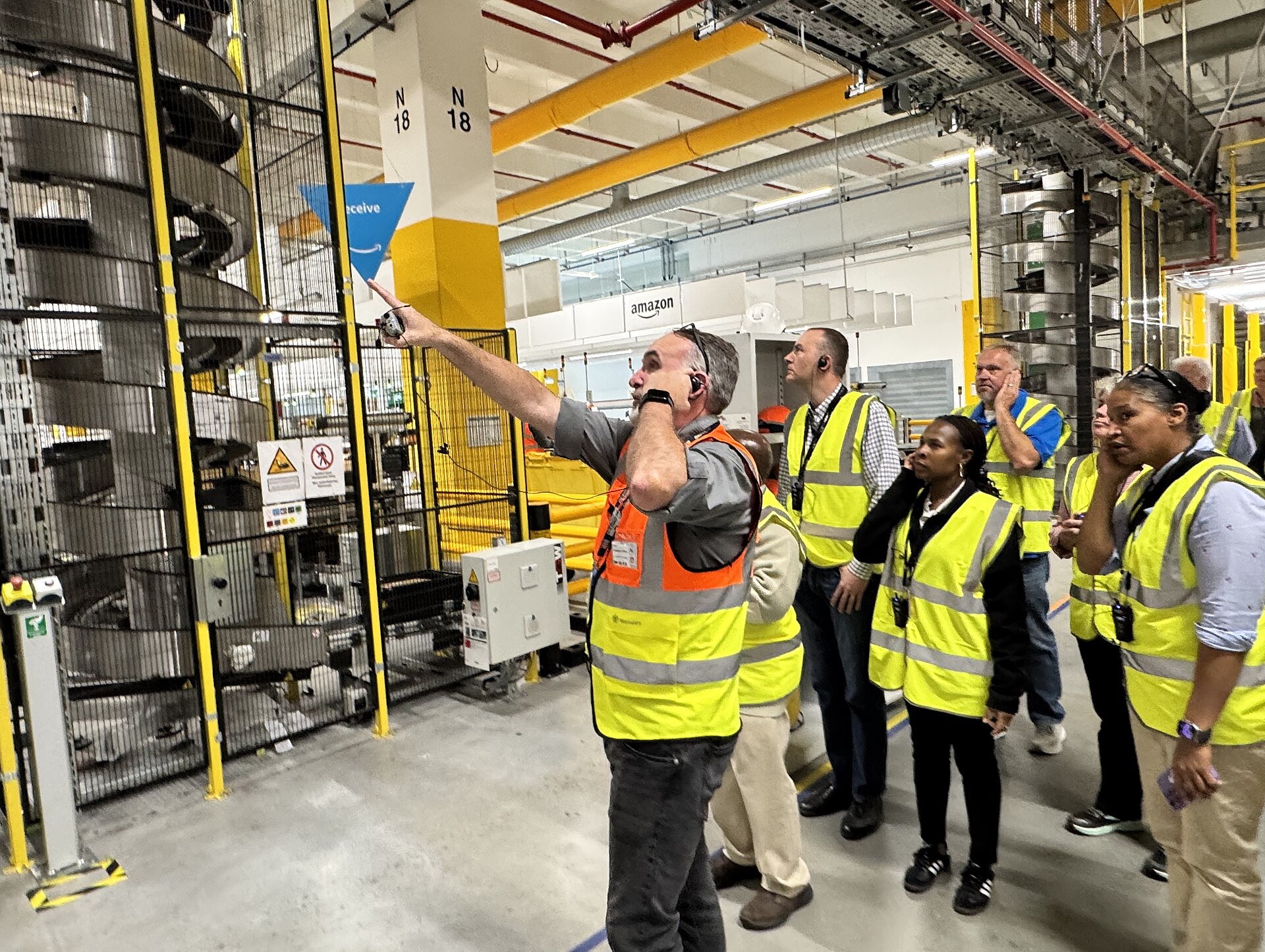
Reporting fleshes out the frontier-model review order, DeepSeek's mega-round terms leak, Amazon commits 10B-plus euros to European fulfillment robotics, and Europe formalizes an AI-for-grids roadmap.
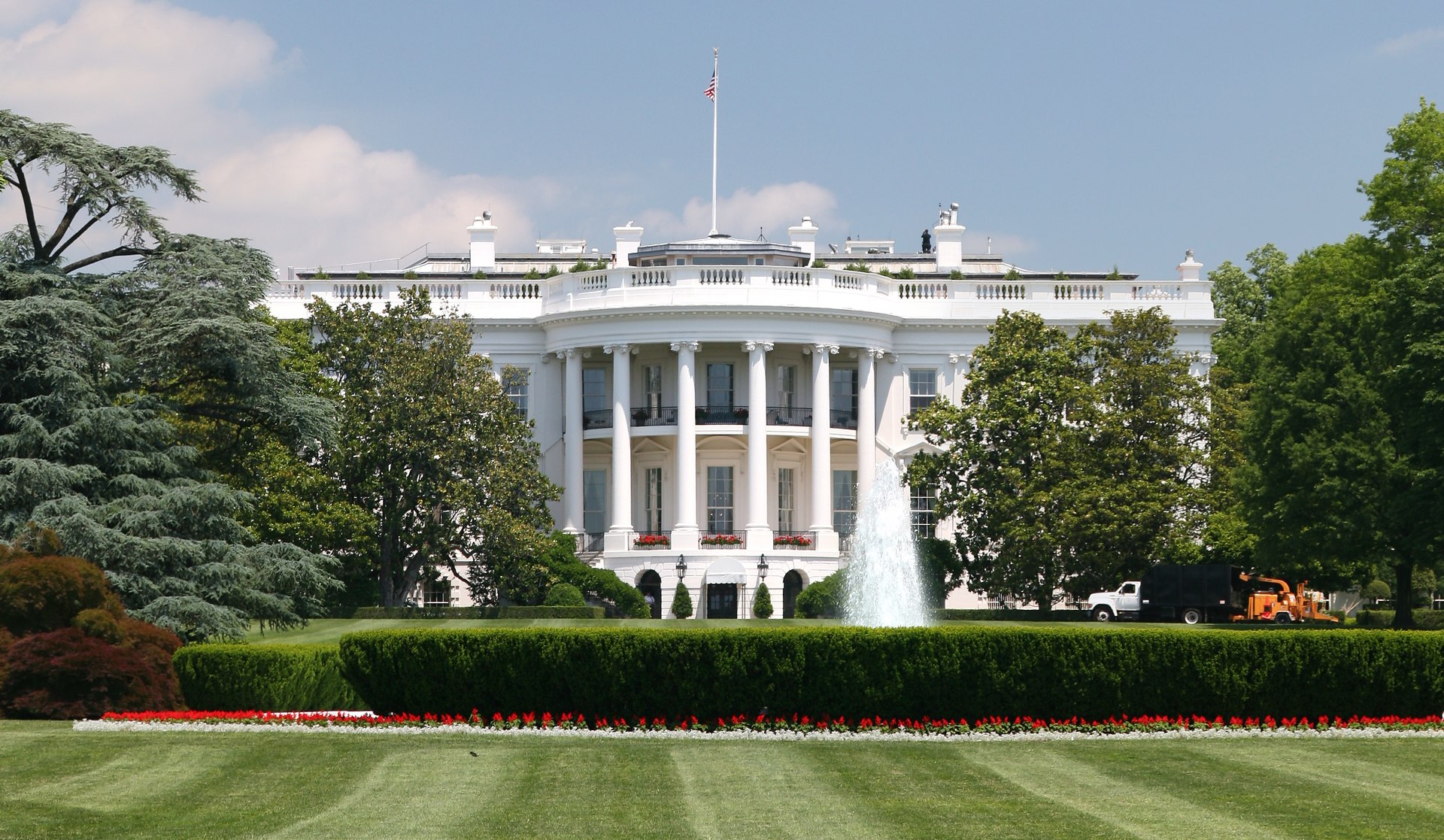
A White House executive order sets up optional early government access to 'covered frontier models,' Anthropic widens Project Glasswing globally, and NASA targets an August launch for the Roman Space Telescope.
OpenAI's frontier models and Codex go GA on Amazon Bedrock, Anthropic's revenue ramp comes into focus a day after its IPO filing, and China flies a new reusable-class rocket.