The Daily Signal — Monday, June 22, 2026
NVIDIA debuts Halos for Robotics as a unified robot-safety architecture, Bear Robotics acquires Kinisi for humanoid manipulation, the EU eyes a longer runway for high-risk AI compliance, and the week's launch cadence stays busy.
The Daily Signal is a brief, sourced morning read on the day's most consequential AI, robotics, and space developments. This edition covers Monday, June 22, 2026.
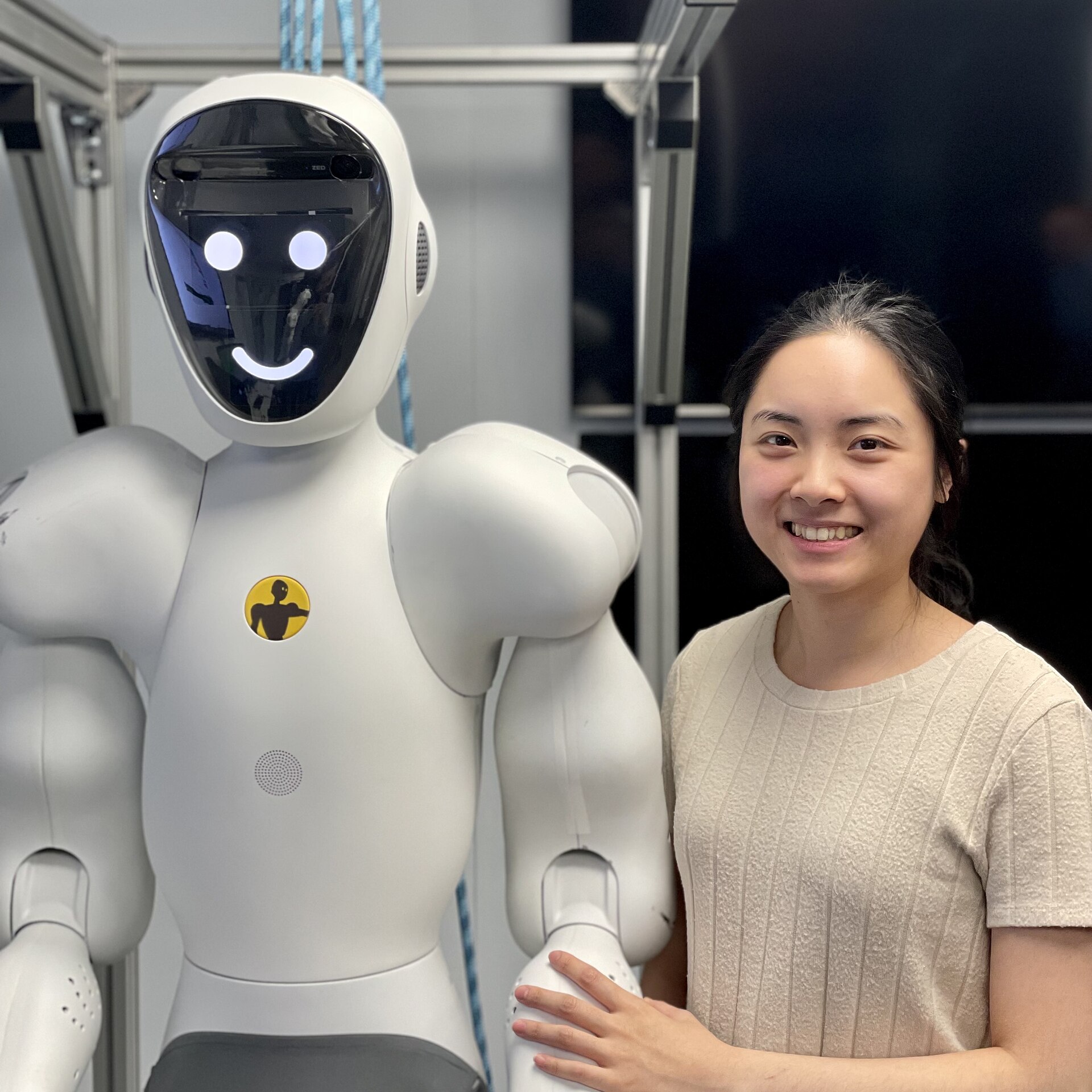
NVIDIA just rolled out Halos for Robotics—positioning it as a unified, full-stack safety architecture for robots that “sense, decide, and act” in the physical world (Yahoo Finance / NVIDIA press release). The pitch: safety isn’t an afterthought bolted onto autonomy, but something that spans compute, sensors, system software, validation, and certification pathways (Yahoo Finance / NVIDIA press release). With humanoids and warehouse robots moving from demos to deployments, NVIDIA is trying to become the default “safety layer” that integrators and regulators can point to (Yahoo Finance / NVIDIA press release).
-
Bear Robotics moves up the stack with a humanoid + manipulation AI acquisition. Bear Robotics says it signed a definitive agreement to acquire UK-based Kinisi Robotics, bringing in Kinisi’s KR1 humanoid, manipulation technology (pick/place/sort), and its team (Investing.com). The deal terms weren’t disclosed and is expected to close “in the coming days,” with Kinisi founder (and former Bear co-founder) Brennand Pierce joining as Chief Robotics Officer (Investing.com). Why it matters: service-robot fleets are increasingly constrained by what they can physically do; manipulation is the bridge from delivery bots to robots that can actually perform work in retail, logistics, and light industry (Investing.com).
-
EU lawmakers signal a longer runway for “high-risk” AI compliance—at least for employment use cases. A DLA Piper update says EU negotiators reached a provisional agreement (May 27) and the European Parliament endorsed it (June 16) to defer certain AI Act high-risk obligations, moving a compliance deadline from Aug. 2, 2026 to Dec. 2, 2027 (DLA Piper). The note highlights employment-related systems (recruiting, performance evaluation, monitoring, promotion/termination decisions) as explicitly “high-risk” examples in scope (DLA Piper). Why it matters: if this direction holds through formal adoption, it reduces near-term compliance whiplash for HR-tech and enterprise AI vendors—while also delaying some of the EU’s hardest enforcement tests (DLA Piper).
-
Space watch (near-term cadence): multiple orbital launches queued for the week ahead. Neodrop’s launch schedule post flags five confirmed orbital launches in the June 23–29 window, including two named milestones—“Starfall Demo” (a SpaceX in-house reentry capsule demo) and “Swift Boost” (a Pegasus XL air-launch for a robotic servicing spacecraft) (Neodrop). Treat the specifics as a schedule signal rather than official mission documentation, but the pattern is clear: the post-holiday launch tempo is staying busy (Neodrop).
All claims sourced inline. Compiled by Miles Huffman.
Miles Huffman
Independent AI Researcher & Technical Sovereignty Architect
Techno-optimist, COO & systems architect who replaces rented SaaS with software businesses own. Building and operating bespoke AI-assisted production tooling since before agentic coding had a name.
Subscribe for new dispatches